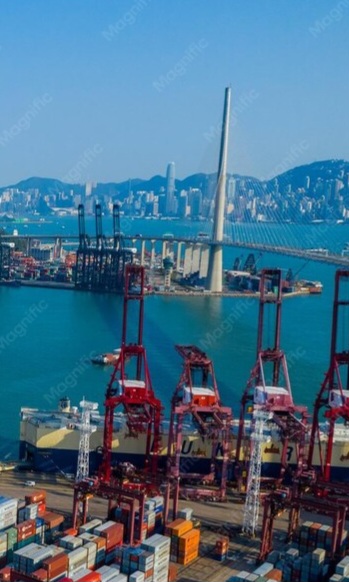
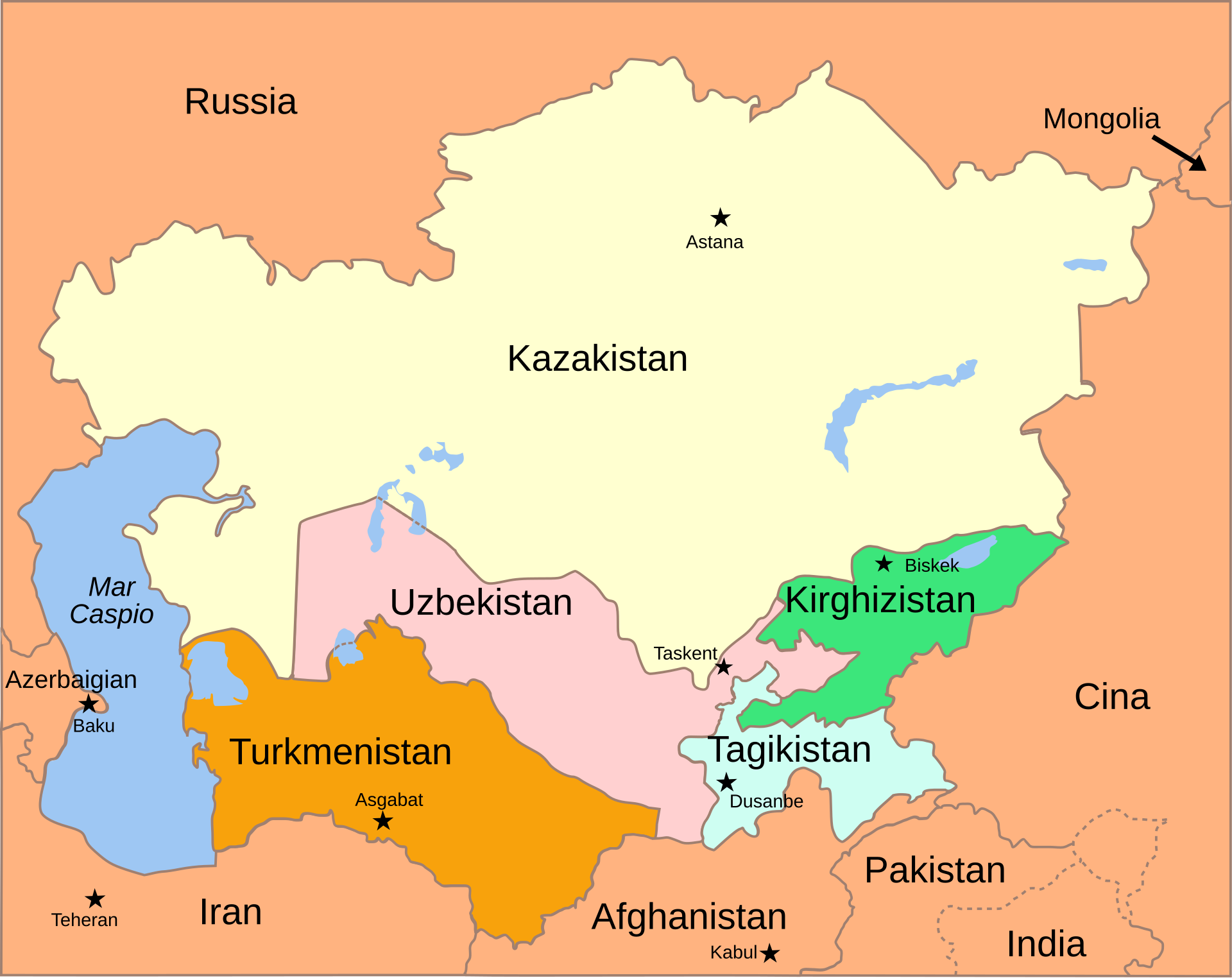
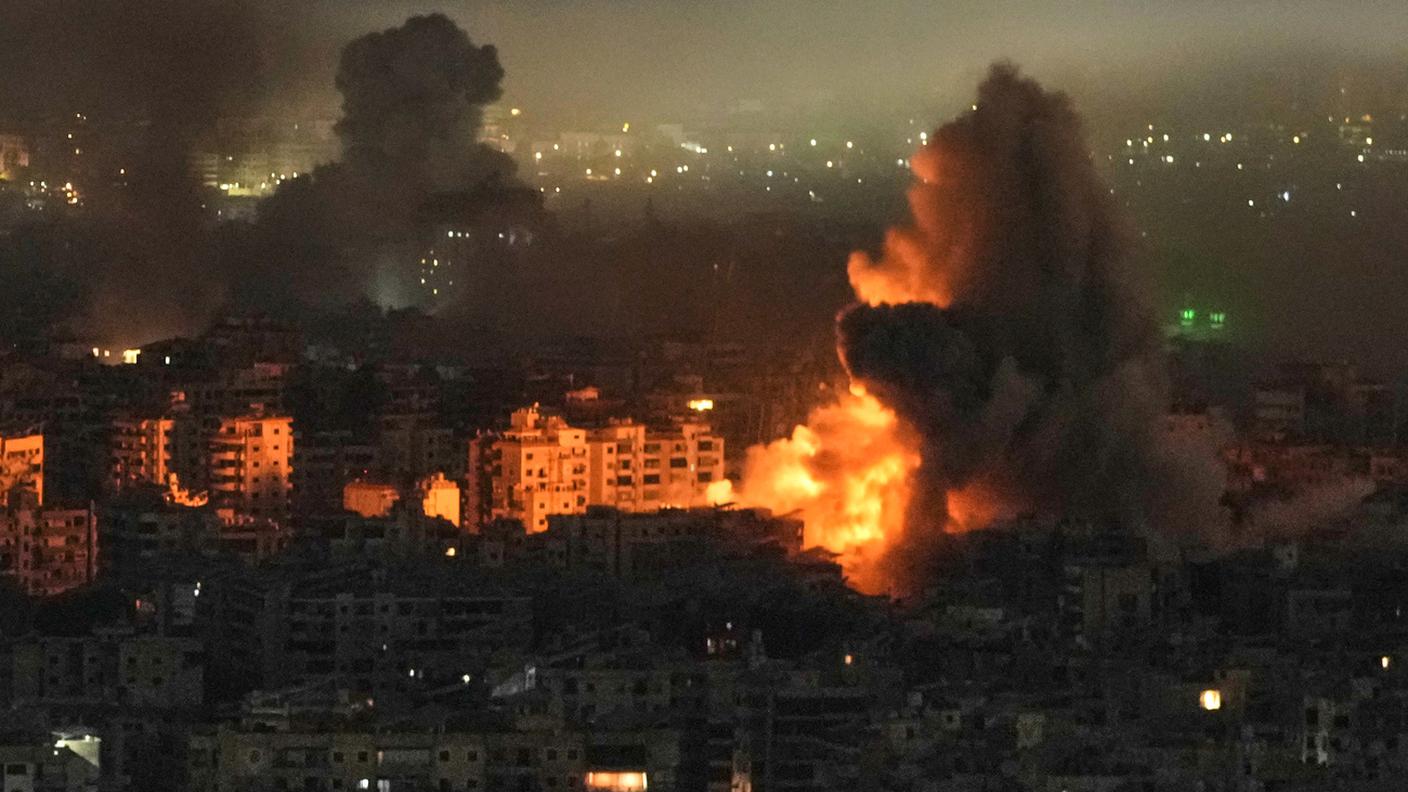
The Urumqi talks between Afghanistan and Pakistan, hosted by China in April following months of tensions and clashes along the border between the two countries, produced neither formal agreements nor statements of particular significance. This apparent stalemate may offer a partially positive interpretation. In a context marked by cross-border raids and mutual accusations of supporting terrorism culminating, on the evening of 16 March 2026, in a bombing of Kabul that struck a hospital and caused, according to Afghan authorities, around 400 deaths and over 250 injuries. [JM1.1]The silence at the conclusion of the talks signals an intent to avoid a diplomatic rupture, keep communication channels open and postpone a political resolution to a later stage. China, for its part, has confirmed an approach based on discreet mediation, attentive to the security of Xinjiang and the stability of regional corridors, but cautious about forcing solutions imposed from above, likely to avoid putting either side’s back against the wall. In short, in their interim outcome, the Urumqi negotiations effectively capture the current situation: a precarious balance, devoid of structural solutions, which risks reigniting dynamics of instability, at least at the regional level. In the shadow of the war in the Middle East, almost five years after the Taliban’s return to power, Afghanistan remains one of the unresolved issues of the international order. The Western withdrawal has paved the way neither for a process of stabilisation nor for the country’s gradual reintegration, but has instead left behind a sort of quiet chaos: a context rife with latent tensions, strategic ambiguities and structural fragility. It is against this backdrop that the regime has stepped up its efforts in the realm of regional diplomacy, in an attempt to mitigate risks and break, at least partially, the de facto isolation in which it finds itself. The agreement reached with Kazakhstan to increase bilateral trade to three billion dollars a year (from the current 500 million) is an attempt to integrate Afghanistan into a network of economic interdependencies that would make its complete isolation more costly. The Towrgondi–Herat–Kandahar–Spin Boldak railway project, the backbone of the so-called CASA (Central Asia–South Asia) corridor, also fits into this framework: for Kabul, this means positioning itself as a transit hub and not merely as a security concern. A similar dynamic is evident in relations with Uzbekistan: intensified trade ties, expanded customs facilitation and investment in key logistics hubs such as the Hairatan rail port, with the aim of increasing the volume of trade to five billion dollars. It is worth noting that these agreements were concluded without Tashkent formally recognising the Afghan government, confirming a pragmatic regionalism driven more by security and stability needs than by political legitimacy. This regional pragmatism, however, finds no echo at the global level. The major multilateral platforms – the UN, the G20, international financial institutions – and Western governments continue to maintain a stance of open mistrust towards the Taliban regime, which is not merely ideological but rests on structural factors: a lack of political inclusivity, systematic human rights violations and repression of independent media. In 2021, following the chaotic withdrawal of foreign forces and the collapse of the government they had supported, some analysts had speculated about a possible ‘Taliban 2.0’: less extremist, more focused on governance and regional non-interference. This expectation quickly proved illusory: whilst today’s Afghanistan seems a far cry from the al-Qaeda sanctuary it was in the 1990s, the optimism of those analysts has in every other respect proved to be premature and naive. The systematic exclusion of women from secondary and university education, from public sector employment and from large swathes of economic and cultural life is not only a despicable form of discrimination, but a factor in structural self-marginalisation. It signals the regime’s refusal to meet the minimum conditions set by the international community. Completing the picture is the problem of corruption, which undermines one of the rhetorical pillars of the Taliban movement. Over the past two years, a series of allegations and resignations has involved ministers and senior officials, particularly in the justice and health sectors. Within a totalitarian regime that imposes police-state control over information, the fact that these allegations have received media coverage and, in some cases, have erupted into full-blown scandals points to the existence of internal rifts, power rivalries and patronage practices that reinforce the mistrust of external actors. Today’s Afghanistan is walking a fine line. Kabul’s regional diplomacy appears more as a survival mechanism than as a project for reintegration into the international order. Moreover, there is nothing to suggest that the latter is an objective: the leadership seems impervious to external pressure and indifferent to the political, human and economic cost of this isolation. Afghanistan remains a potential source of instability, contained but not resolved.
...