Orbán’s Defeat: A Major Geopolitical Turning Point

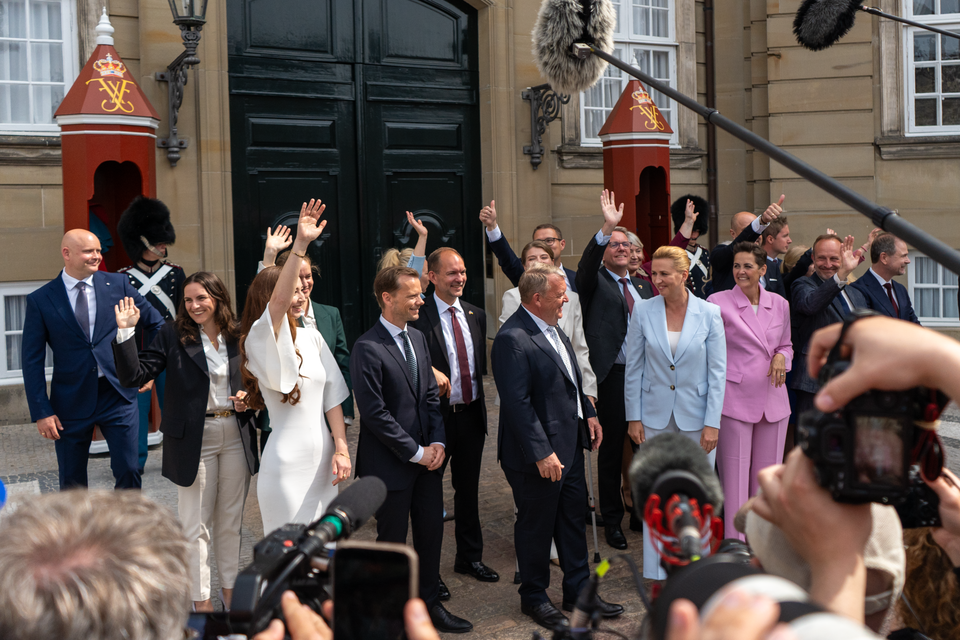
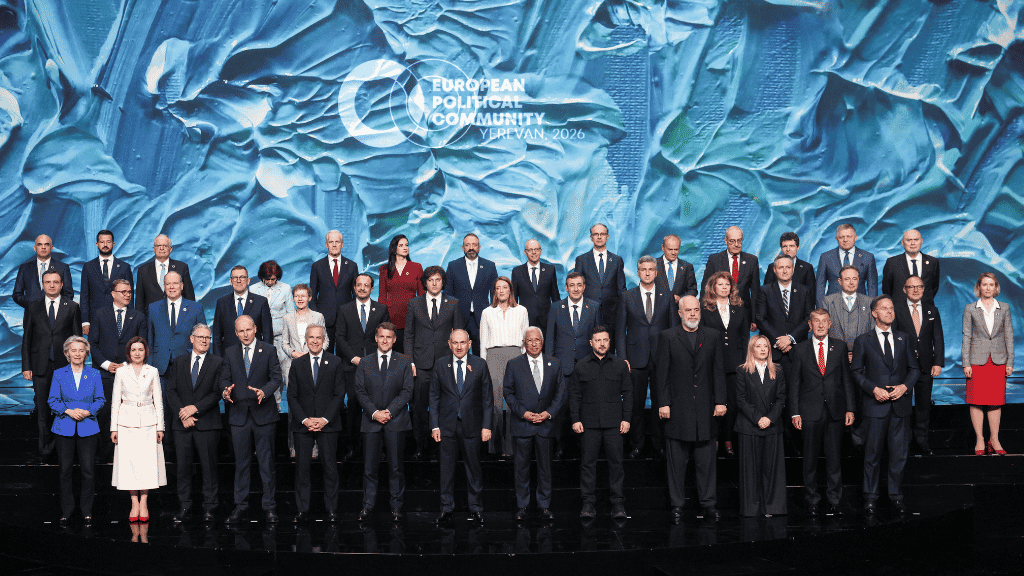
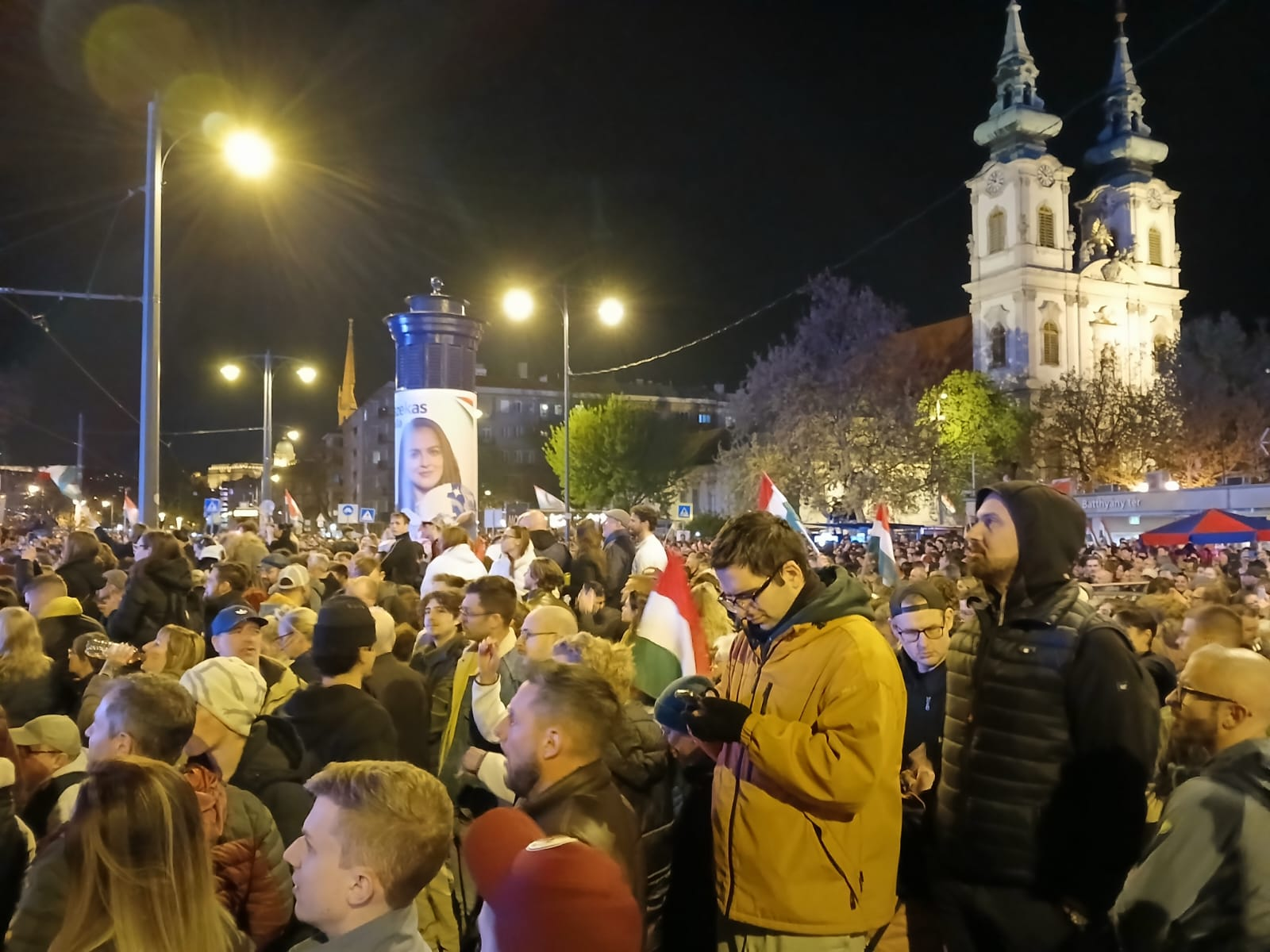
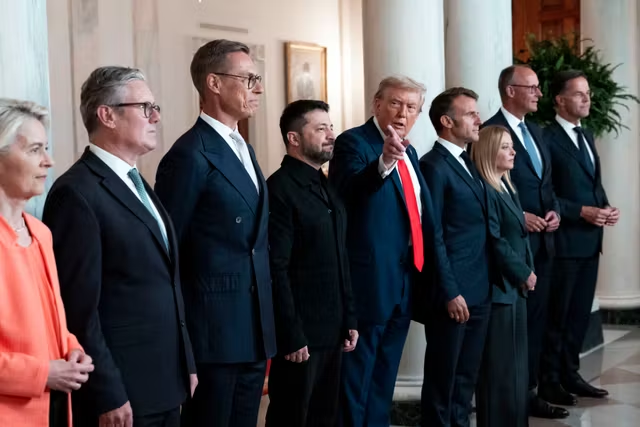
The defeat of Viktor Orbán carries an очевидent geopolitical dimension. For sixteen years, he had established in Hungary a model for the far right in Europe and the United States. Donald Trump himself had drawn inspiration from it. This model, described as an “illiberal democracy,” was gradually evolving toward a form of authoritarian regime. Its fall therefore also constitutes a new symbolic defeat for Trump. Orbán’s regime had become deeply unpopular. This unpopularity is particularly strong among those under 30: 65% of them voted for the opposition Tiza party, and only 15% for Orbán. There is a strong generational divide: young people suffer from structural unemployment, and emigration in search of work is high. Other converging factors explain Orbán’s predictable defeat. As early as the 2010s, he clearly displayed his ambition to transform Hungary. As Steve Bannon, ideologue of the MAGA movement, pointed out, he was “a Trump before Trump.” The first step in this transformation was control of the media: today, nearly 85% of Hungarian media are under government influence. After public media, the few remaining independent private outlets were gradually targeted. Young people were able to access alternative information through the internet. The judiciary has lost all independence. It is the primary target of far-right governments, along with the press. ...

April 13, 2026 · 3 min · Eric Djabiev

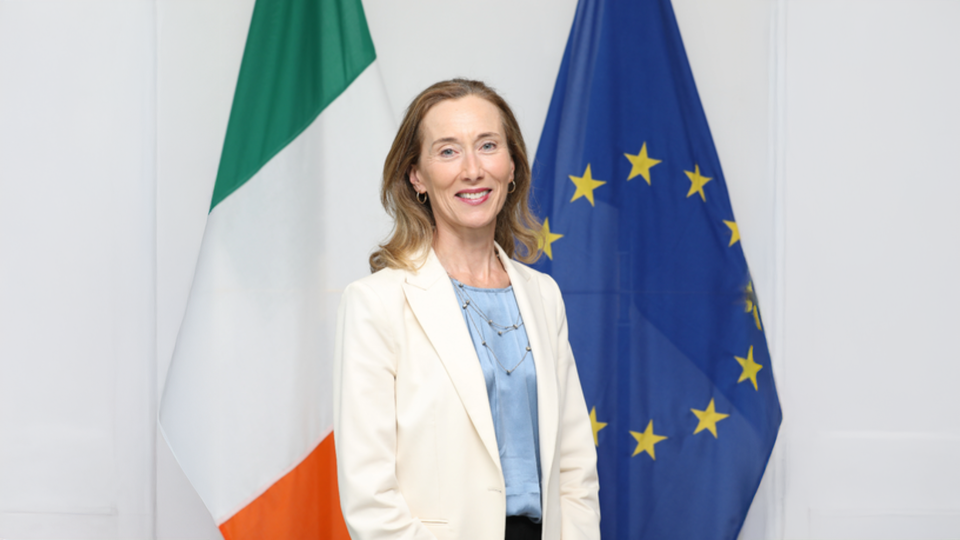
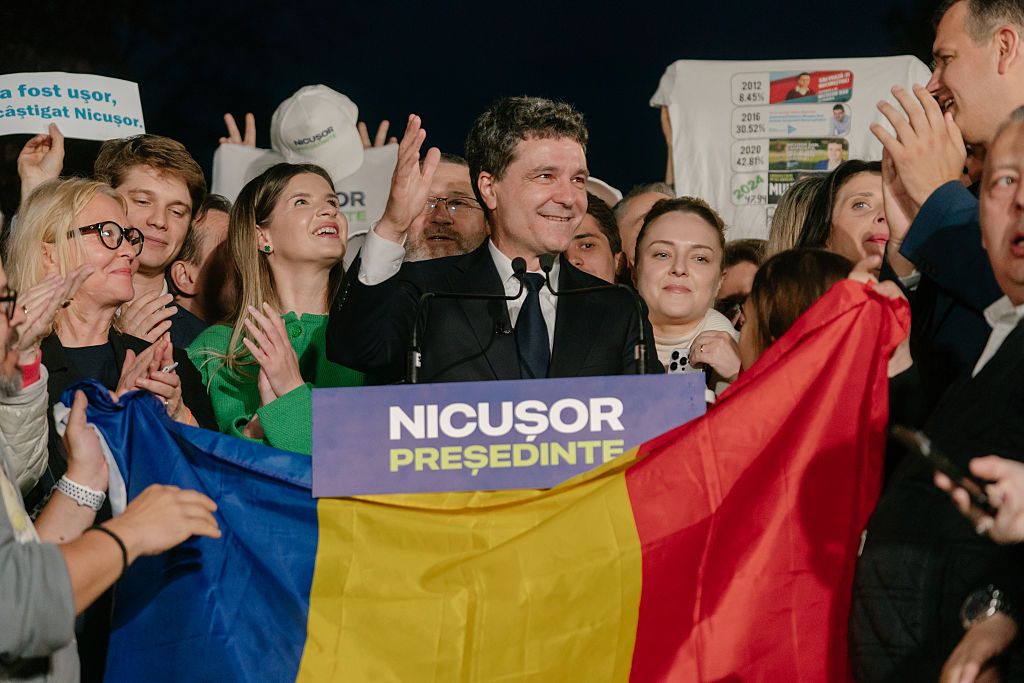
Where does Romania stand, 11 months after the election of Nicușor Dan?

In mid-March, Romania, together with Austria, Croatia, Greece, Italy, Bulgaria, the Czech Republic, Hungary, Poland, and Slovakia, signed a letter addressed to the President of the European Commission, Ursula von der Leyen, and to the President of the Council, António Costa, calling for an urgent revision of the deadlines set by the energy transition plan. This issue, seemingly highly technical, brings together a group of states with specific interests: some display a clear hostility toward European institutions in their current form (the most extreme case being that of Viktor Orbán, who has based his electoral campaign on AI-generated videos portraying the EU and Ukraine as public enemies); others have direct economic interests, linked to the nature of their energy consumption or to infrastructure projects, which are largely incompatible with the timelines adopted at the European level. ...

April 5, 2026 · 4 min · Raluca Alexandrescu

USA – Europe, the story of a hostile alliance

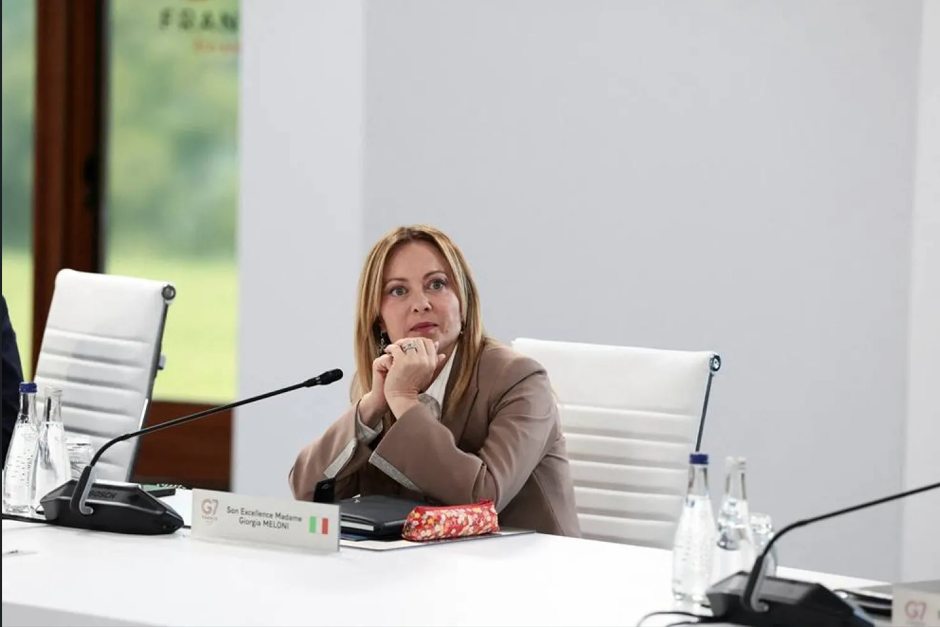
European governments—and the media that follow their lead—continue to react to Donald Trump’s “National Security Strategy” as if the current president had invented Washington’s hostility toward any genuine European unity, whereas he has merely made it provocatively explicit, in well-tested alignment with Moscow. In doing so, the President of the United States provides Europeans with a valuable opportunity to define and focus the urgent correction of the structure and direction of the European Union, toward its independence —not merely “autonomy”— in strategic terms, restoring to its peoples the only sovereignty possible. A further paradox is that Giorgia Meloni —the supposed sovereigntist and former fascist who, as Prime Minister of the Italian Republic, allows herself to be kissed on the head by Joe Biden, only then to become the factotum (certainly not a courtier) of Donald Trump— reminds our homegrown pseudo-Europeanists that there exists another Europe beyond the current EU: that of Ventotene. It will not happen now, but that must be the perspective. ...

March 31, 2026 · 8 min · Gian Giacomo Migone

Spain Saves Europe’s Honour

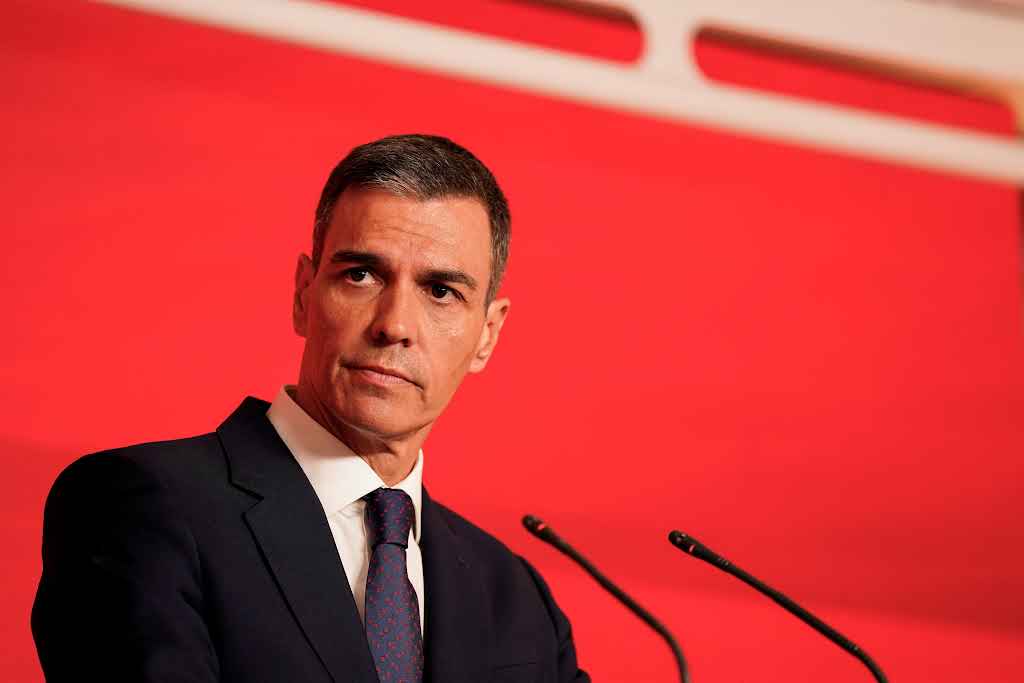
Today the whole world is discovering Pedro Sánchez, the Spanish socialist leader who heads a left-wing coalition government. His “no to war” in Iran resonates as a powerful warning signal in the face of the deadly danger threatening the system of collective security established in 1945. The United Nations—whose true meaning was an “organization of nations united against fascism”—was meant to prevent any new war. This “no” is also a resounding rejection of Trumpism. Pedro Sánchez is the only European head of government to oppose head-on the war sought by Donald Trump, by refusing to allow the United States Air Force to use American bases located in Andalusia. By contrast, France and United Kingdom have granted the U.S. military access to their bases as American aircraft methodically bomb Iran, in disregard of international law. This refusal is all the more striking given that Trump’s war initiative appears wholly reckless: a war against a country with a millennia-old history could lead the world toward general chaos. ...

March 21, 2026 · 5 min · Eric Djabiev