A different perspective on the Russia-Ukraine conflict

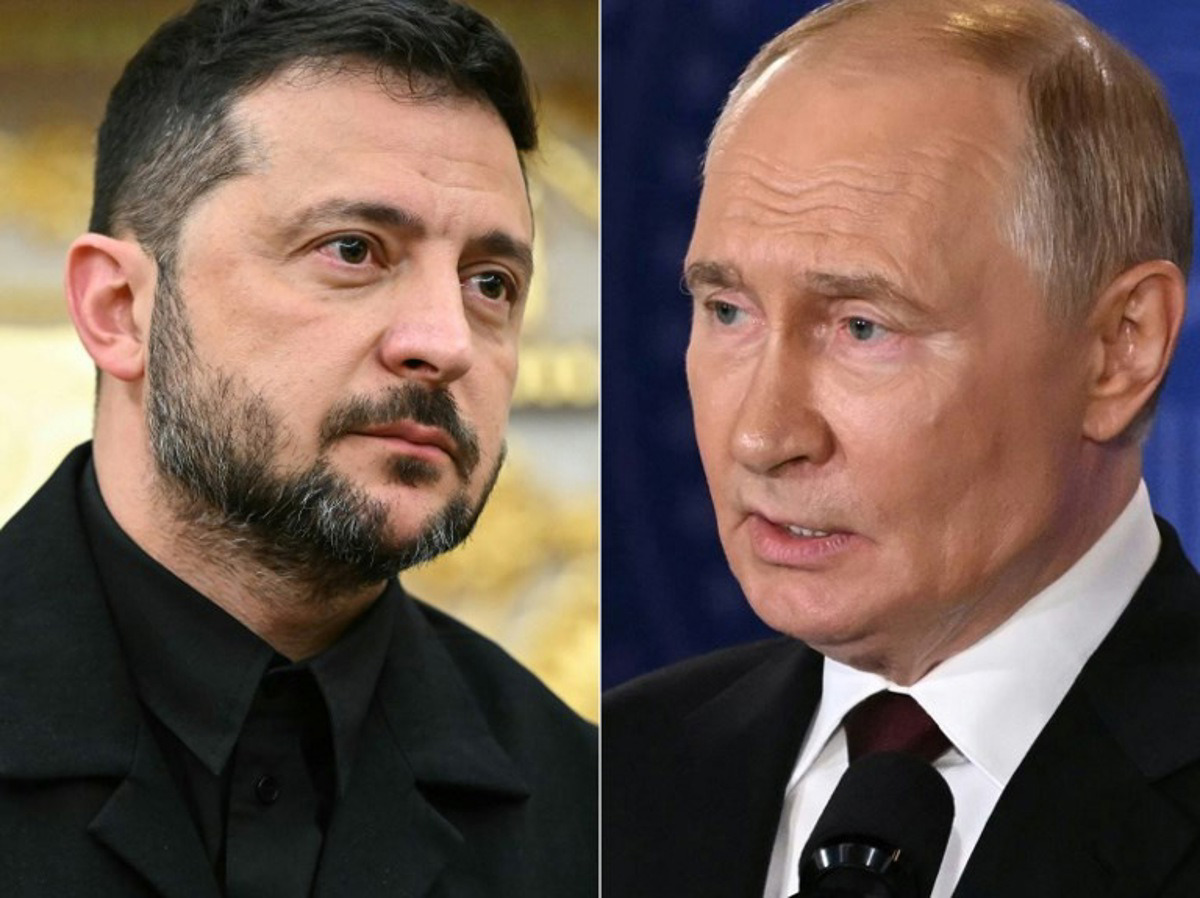
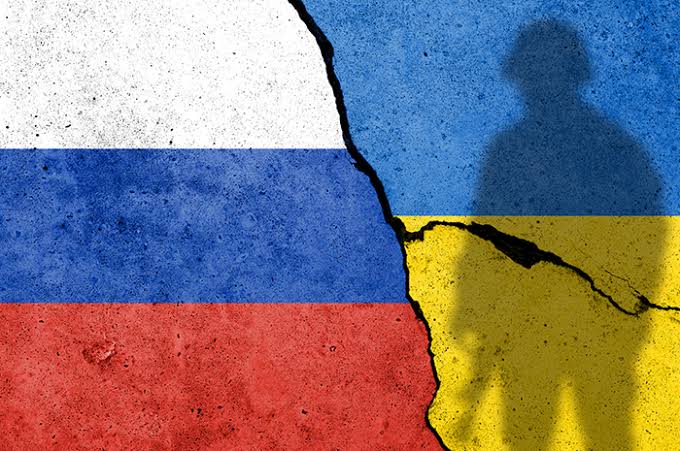
Pascal Boniface Commentaries on the war in Ukraine have more often been emotional than rational. It is difficult to accept the Russian narratives presenting this “special military operation” as having been justified by Ukrainian and/or NATO aggression, with the aim of “denazifying” Ukraine. There is no such thing as preventive self-defense under international law, and it was indeed Russia that made the decision to launch a military attack against Ukraine, in violation of the United Nations Charter, of which it is a member of the Security Council, and of the international law it claims to uphold. This war, which Vladimir Putin does not call by its name (and using the term itself can lead to imprisonment in Russia), has been accompanied by numerous war crimes and/or crimes against humanity. Targeting civilians, civilian infrastructure, homes, hospitals, schools, and power plants is strictly prohibited under international law. ...
October 4, 2026 · 8 min · Pascal Boniface
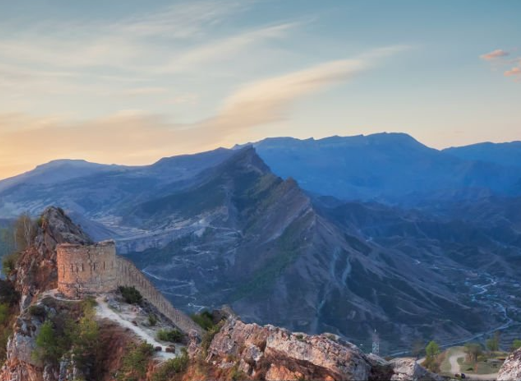
The Gunib Fortress, in Daghestan

And what about Dagestan?

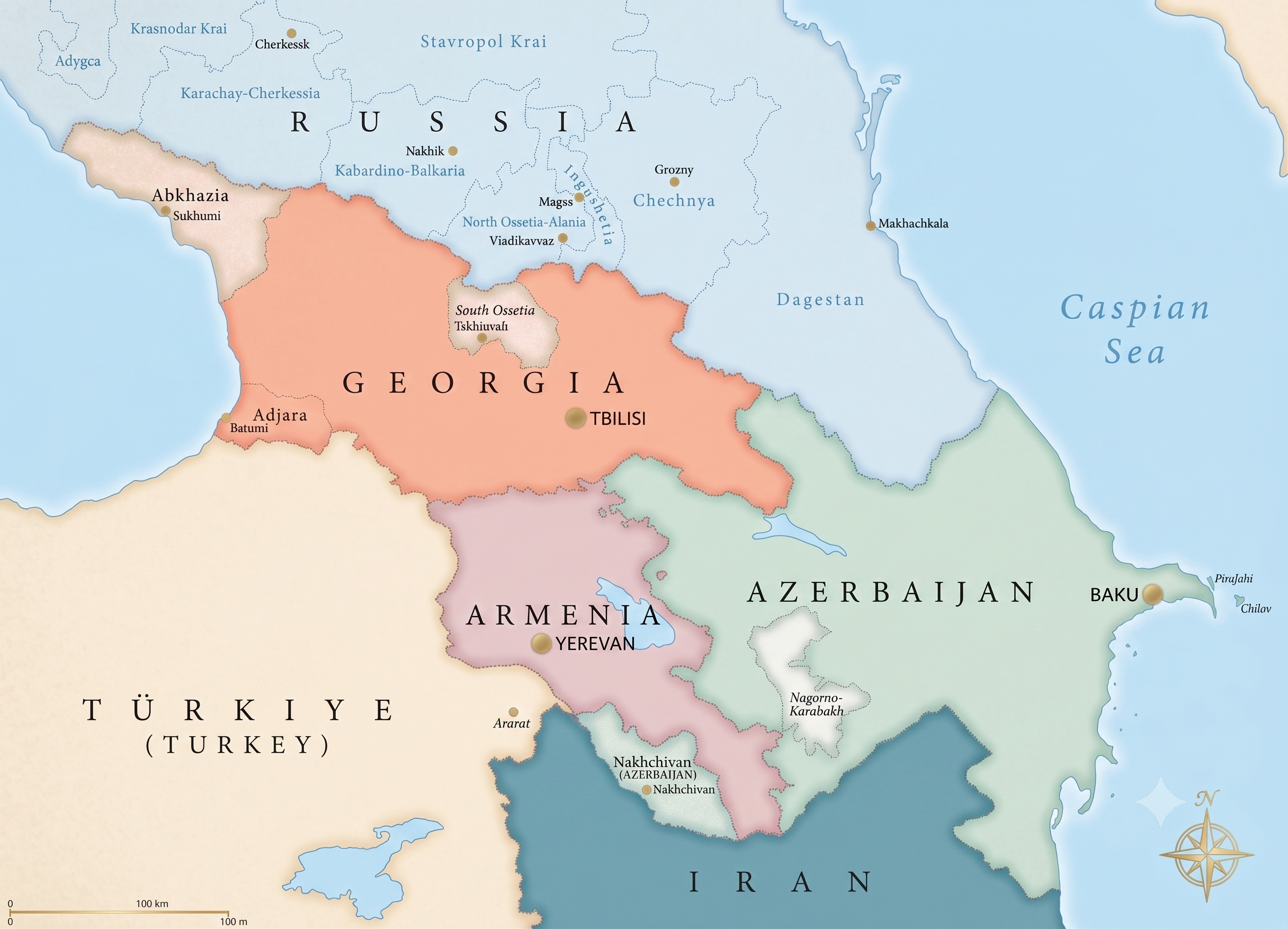
Giorgio Malfatti di Montetretto In the context of the gradual rapprochement between Russia and Iran, Dagestan is emerging as a crossroads of growing strategic importance. A republic of the Russian Federation on the shores of the Caspian Sea, with a Sunni Muslim majority but also a politically and religiously significant Shiite minority (around 5%), the region combines internal fragility with geopolitical value. For Moscow, it represents both a periphery to be kept under control and, at the same time, a platform linking Russia to Iran, the South Caucasus and Central Asia. Against the backdrop of Western sanctions and the war in Ukraine, its importance now extends well beyond the local level. ...

September 24, 2026 · 5 min · Giorgio Malfatti

Georgia On My Mind (III): The Situation Today

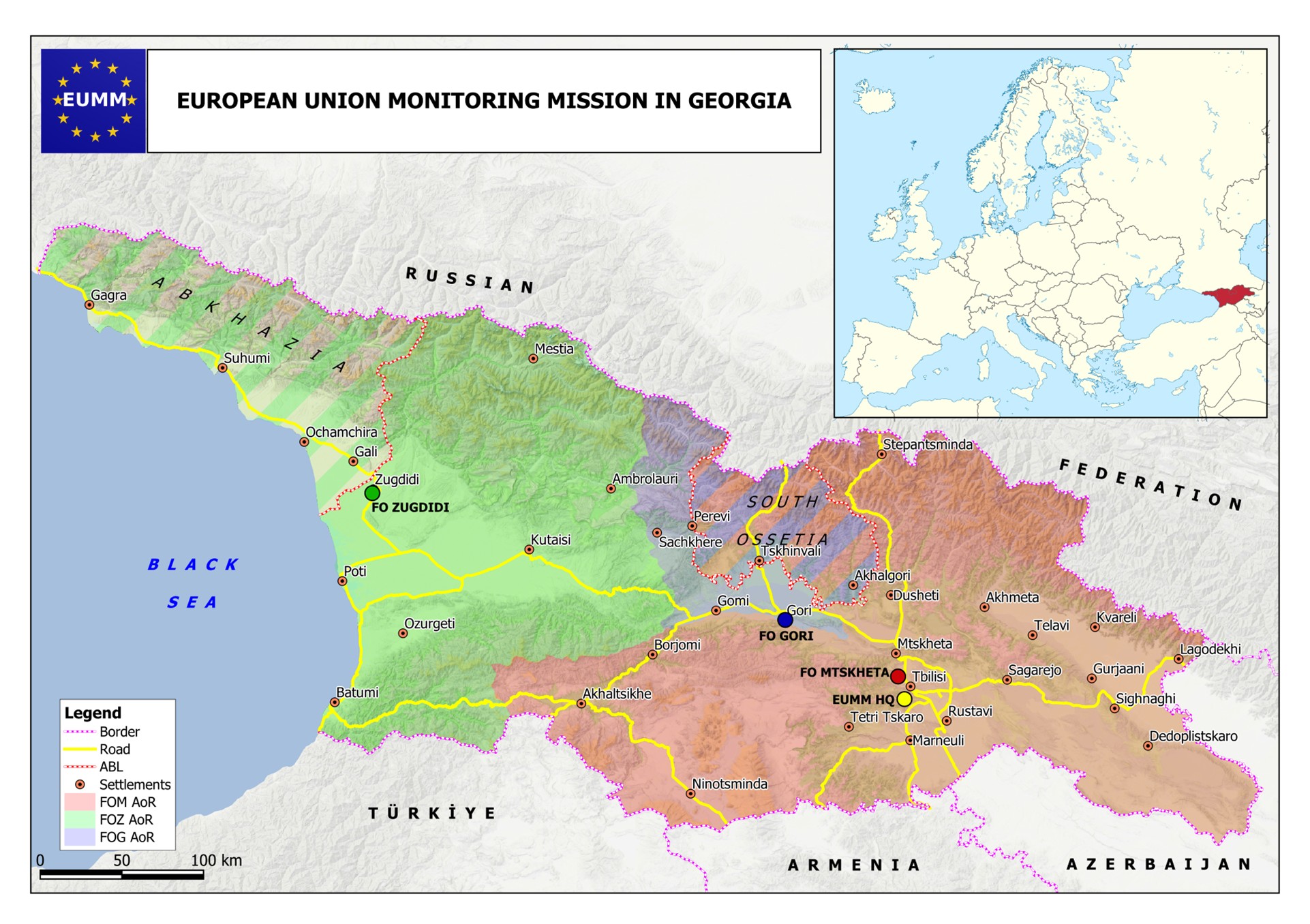
Maurizio Donini The Current Situation: Permanent Occupation, “Borderisation”, and the EUMM Presence In the wake of the ceasefire agreement negotiated on behalf of the EU by then French President Nicolas Sarkozy, Russia withdrew its invading troops from undisputed Georgian territory, but went on to unilaterally recognise the independence of Abkhazia and South Ossetia (26 August 2008). Moscow converted the former interposition forces into permanent Russian army military bases (the 4th and 7th military bases), deploying thousands of troops along with Federal Security Service (FSB) border guard units along the Administrative Boundary Lines (ABL). For this reason, Tbilisi’s legislation (the 2008 Law on Occupied Territories) and international law unambiguously classify both regions as Georgian territories under temporary occupation by the Russian Federation. ...

September 17, 2026 · 5 min · Maurizio Donini

Georgia On My Mind (II): The casus belli of Abkhazia and South Ossetia

Maurizio Donini The Casus Belli of Abkhazia and South Ossetia In the chaos of the Soviet Union’s dissolution and the birth of the Republic of Georgia, the status of the autonomous regions inherited from the Soviet legal order deteriorated rapidly: the autonomous oblast of South Ossetia and the Abkhaz Autonomous Soviet Socialist Republic (ASSR) rose up in bloody separatist wars seeking to break away from Tbilisi, while the third autonomous republic, Adjara, became a de facto local fiefdom outside central authority until its peaceful reintegration in 2004. Under the principle of uti possidetis juris (existing administrative boundaries become the international borders of the new state), however, both Abkhazia and South Ossetia remained an integral and inalienable part of Georgia’s sovereign territory. ...

September 15, 2026 · 7 min · Maurizio Donini

Georgia On My Mind (I): From independence to the 2008 war

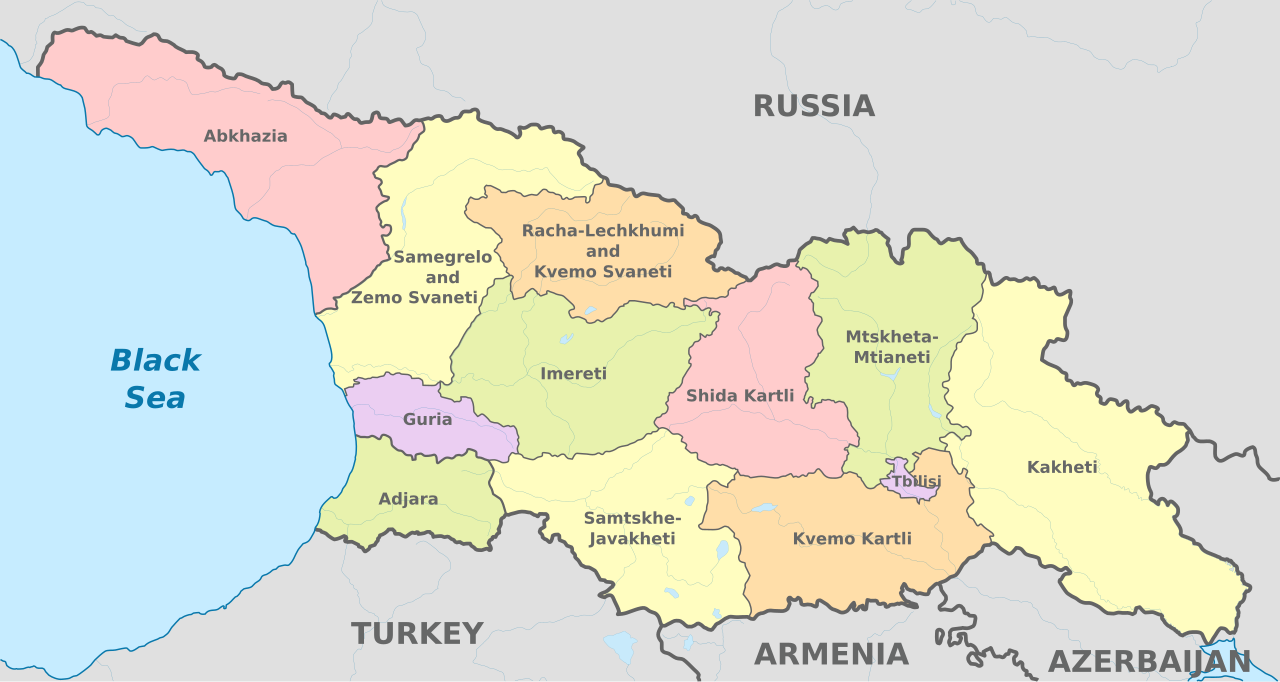
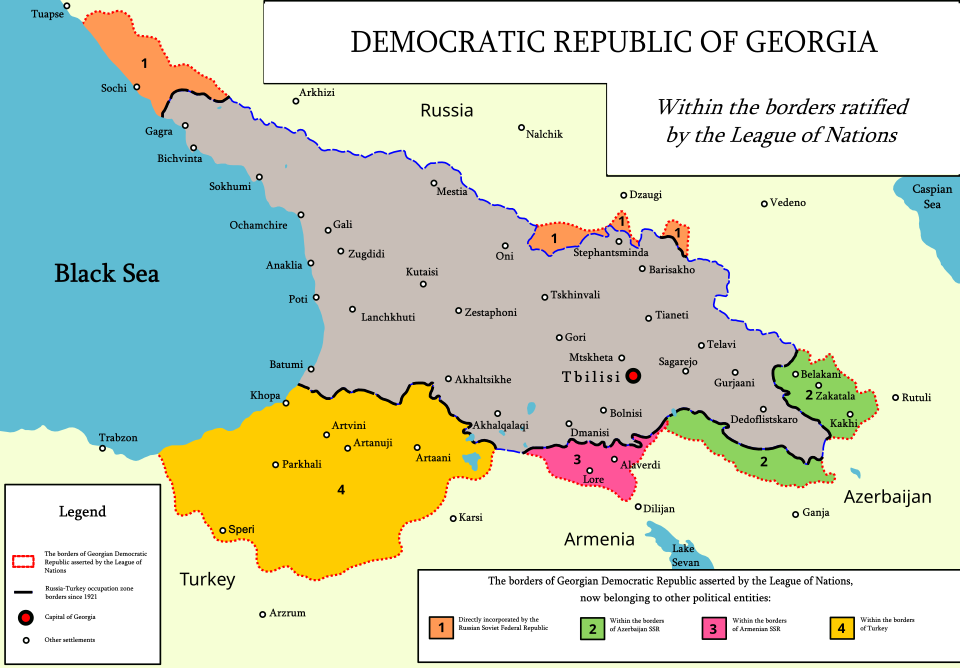
Maurizio Donini On the eve of the Soviet Union’s collapse, Georgia was still officially a Soviet Socialist Republic (SSR) federated to the USSR, but increasingly resistant to Moscow’s central control. The definitive break came with the trauma of 9 April 1989, when Soviet special army troops bloodily suppressed a peaceful pro-independence demonstration in Tbilisi (21 dead, many of them women, killed with sapper’s spades and poisoned by asphyxiating gas). This massacre severed all psychological ties with Moscow, accelerated the nationalist momentum, and paved the way for the referendum and the full declaration of independence on 9 April 1991. ...

September 12, 2026 · 9 min · Maurizio Donini

Nagorno-Karabakh, the island that isn’t there

Maurizio Donini The disintegration of the Soviet Union triggered a series of autonomist and independence movements that led to the birth of new states, often at the end of bloody wars. There are also “frozen conflicts” — disputes marked by armed clashes that remain unresolved and periodically flare back up. For nearly thirty years, Nagorno-Karabakh was the archetype of this purgatory. When I first looked into this subject in 2020, the war had resumed with great violence: the flare-up that occurred between September and October of that year ended with a dramatic toll of roughly 5,000 dead and 30,000 displaced. At the time, Europe was culpably absent, paralysed by the urgency of Covid and oblivious to the rest of the world, while the United States seemed trapped by the isolationism of the Trump presidency and distracted by its own domestic elections. The Western vacuum was quickly filled by Vladimir Putin, who imposed a peace plan signed in Moscow and guaranteed by the deployment of 2,000 Russian troops. At the time, the prevailing view was that it was unlikely the Kremlin would withdraw those troops once the agreement’s five-year term expired. ...

July 11, 2026 · 7 min · Maurizio Donini
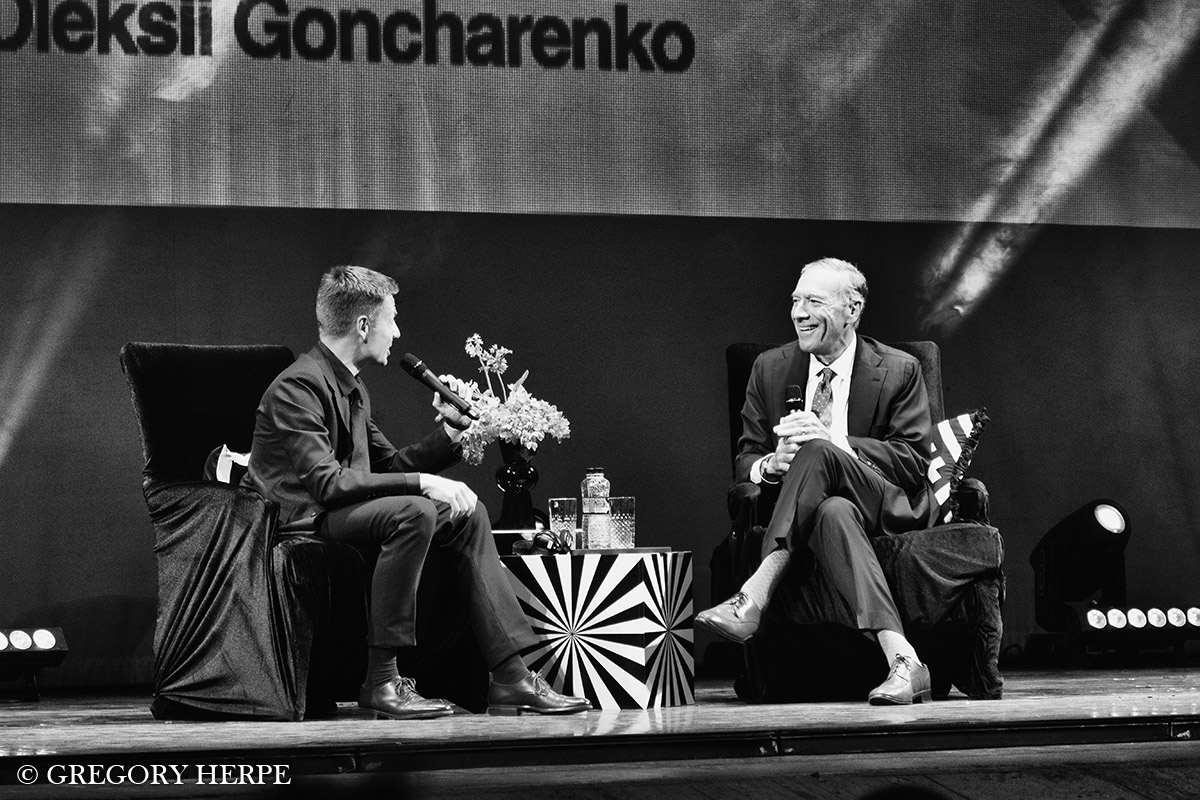
The 70th U.S. Secretary of State and former CIA Director, Mike Pompeo, interviewed by MP Oleksii Goncharenko at the Black Sea Security Forum, at the Odessa Opera House. @GrégoryHerpe

Ukraine: Peace Talks at an Impasse

Grégory Herpe What Witkoff and Kushner Came to Seek Peace, if one can call it that, has had a rather unlikely face in recent months. Steve Witkoff, a New York real estate developer turned Trump envoy for the Middle East and then for Ukraine. Jared Kushner, his son-in-law. The two men have supplanted Keith Kellogg—the official special envoy for Ukraine, a retired general and a man who has worked on the file from the start—to the point that Kellogg ended up resigning after discovering he had been sidelined without ever being told so directly. You can’t make this up. ...

July 4, 2026 · 4 min · Grégory Herpe

Note on Ukraine

Jacques de Larosière The political and ethnic situation in Ukraine is, to say the least, complex. In the western part of the country, Ukrainian-speaking inhabitants constitute a clear majority. It was this population that drove the anti-corruption and anti-Russian demonstrations on the Maidan square in Kyiv, where far-right movements — and, on the margins, neo-Nazi groups — ultimately prevailed in overthrowing President Yanukovych, who had been democratically elected. While Yanukovych was certainly favourable to collaboration with Moscow, he was by no means its vassal. ...

July 2, 2026 · 4 min · Jacques de Larosière
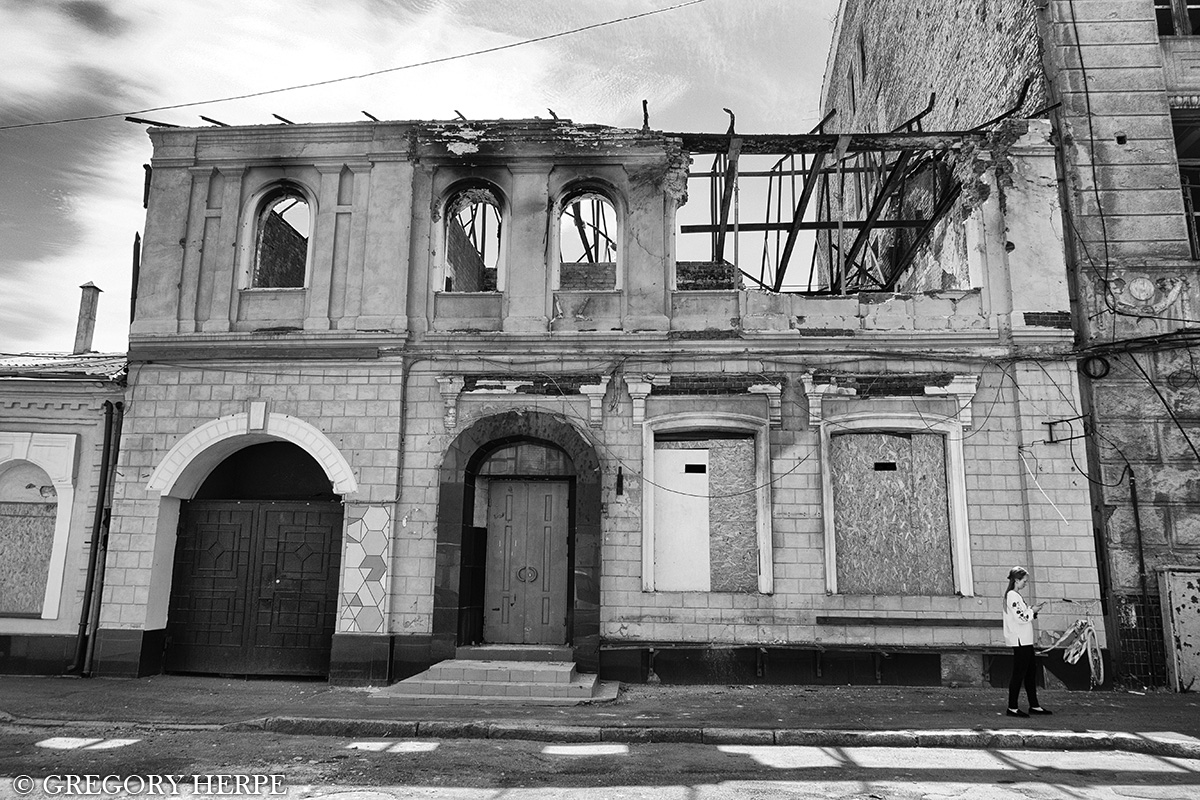
A nursery school under bombing by three Russian drones. Kharkiv. @GrégoryHerpe

Ukraine: underground life taking shape

Grégory Herpe On the night of May 23-24, 2026, I watched the sky over Kyiv. The sirens had sounded shortly after midnight. I was in my hotel room working on the photos I had taken during the day, and I stepped out onto the terrace – the instinct not to miss what the walls of an apartment would have hidden. The sky seemed pierced by the luminous trails of falling missiles, glowing like flashes of fire. Then the dull detonations in the distance, the closer explosions whose blast you felt in your ribcage before you even truly heard them. As if waves of pressure were passing right through us. The anti-aircraft batteries chattering in bursts. Then the drones – small, fast points, humming discreetly, before the total conflagration of the sky, of the city. ...

June 29, 2026 · 6 min · Grégory Herpe