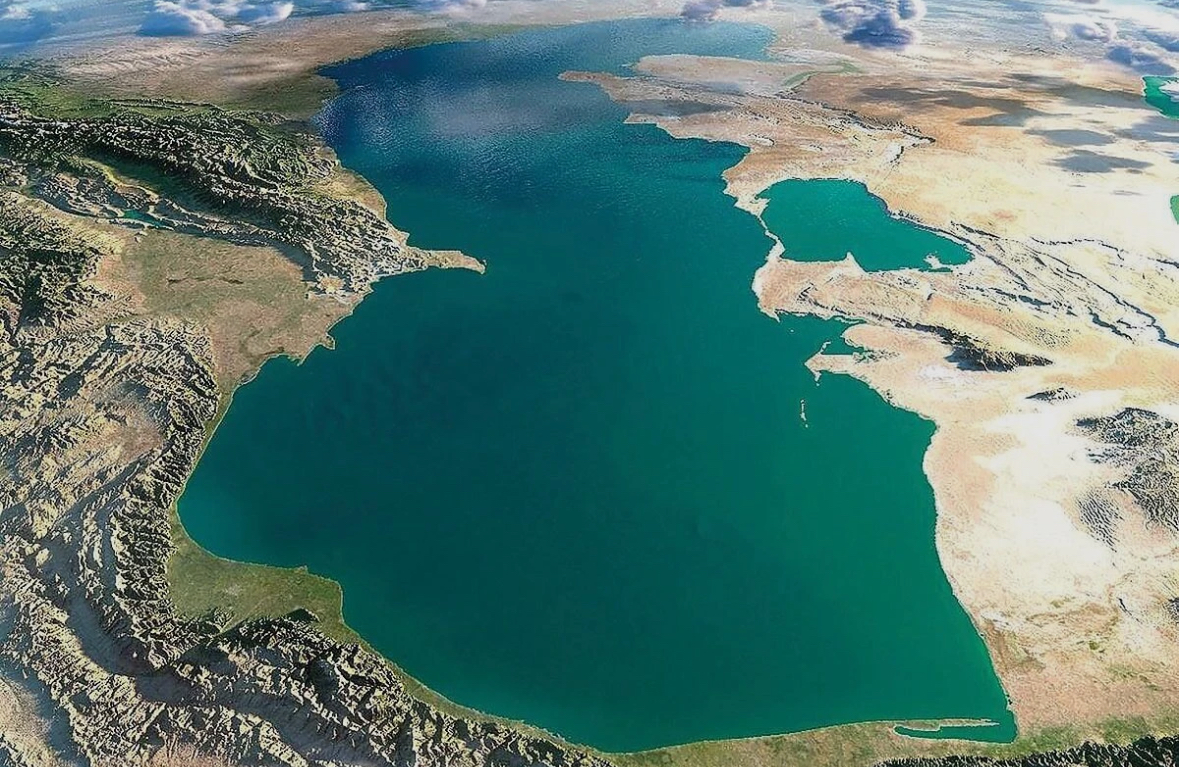
Geopolitics of Central Asia (V) - The Caspian Sea question: sea or lake?

Giorgio Malfatti di Montetretto The Caspian represents the only major maritime basin in Central Asia. A body of salt water, with no outlet to the open sea, in which the interests of the coastal countries have shaped negotiations over its legal regime. The question of the Caspian Sea gained importance following the dissolution of the USSR, an event that increased the number of littoral states from two (Iran and the Soviet Union) to five (Iran, Azerbaijan, Russia, Kazakhstan, and Turkmenistan), and subsequently led to the discovery of major new hydrocarbon deposits. The region stretching from the Caucasus to Central Asia is one of the oldest oil-producing areas in the world, and had remained largely unexplored until the collapse of the Soviet Union, which had prioritized exploration in Siberia. From that moment on, Kazakhstan, Azerbaijan, Turkmenistan, and Uzbekistan were seen by multinational oil companies as alternative suppliers to Russia and therefore as territories worthy of significant investment. ...
June 17, 2026 · 6 min · Giorgio Malfatti
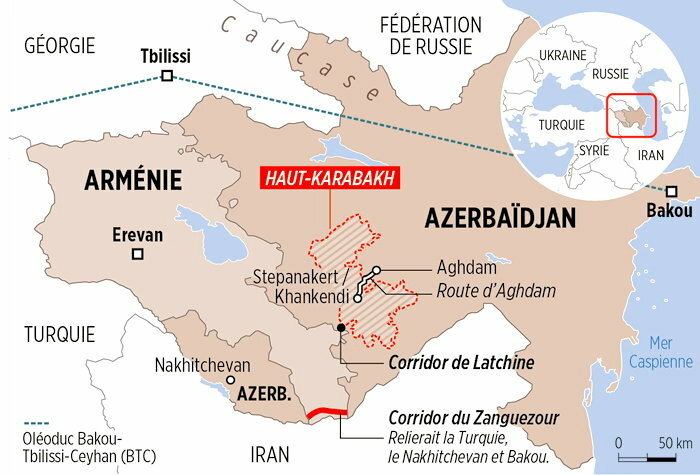
The Zangezur Corridor

Geopolitics of Central Asia (IV): The New Strategic Corridors

Giorgio Malfatti di Montetretto The Entry of Azerbaijan into Central Asia In this context, a significant development has recently taken place with the inclusion of Azerbaijan in the consultative group of Central Asian countries, transforming the C5 into the C6. The group has so far focused on issues such as trade, foreign policy, and dispute resolution. The new configuration, now involving both shores of the Caspian Sea, also represents a response to the repercussions of the war in Ukraine and Western sanctions against Russia, which have made it necessary to seek alternative logistical solutions. Thanks to ethnic-religious affinities and a shared Soviet legacy, Azerbaijan integrates smoothly into the Central Asian environment, where Tajikistan represents the only exception due to its Persian origins. The country actively participates in European neighbourhood and Eastern Partnership programmes and plays an essential role in energy corridors toward Europe. Baku also maintains privileged relations with Turkey and adopts a balancing position between Russia, the United States, the European Union, and China. The resolution of the Nagorno-Karabakh conflict and the agreement on the Zangezur Corridor—strongly supported by Donald Trump—which will connect Azerbaijan to Turkey via Armenia, have further strengthened the country’s international prestige, consolidating its role as a key regional actor. ...

June 16, 2026 · 5 min · Giorgio Malfatti
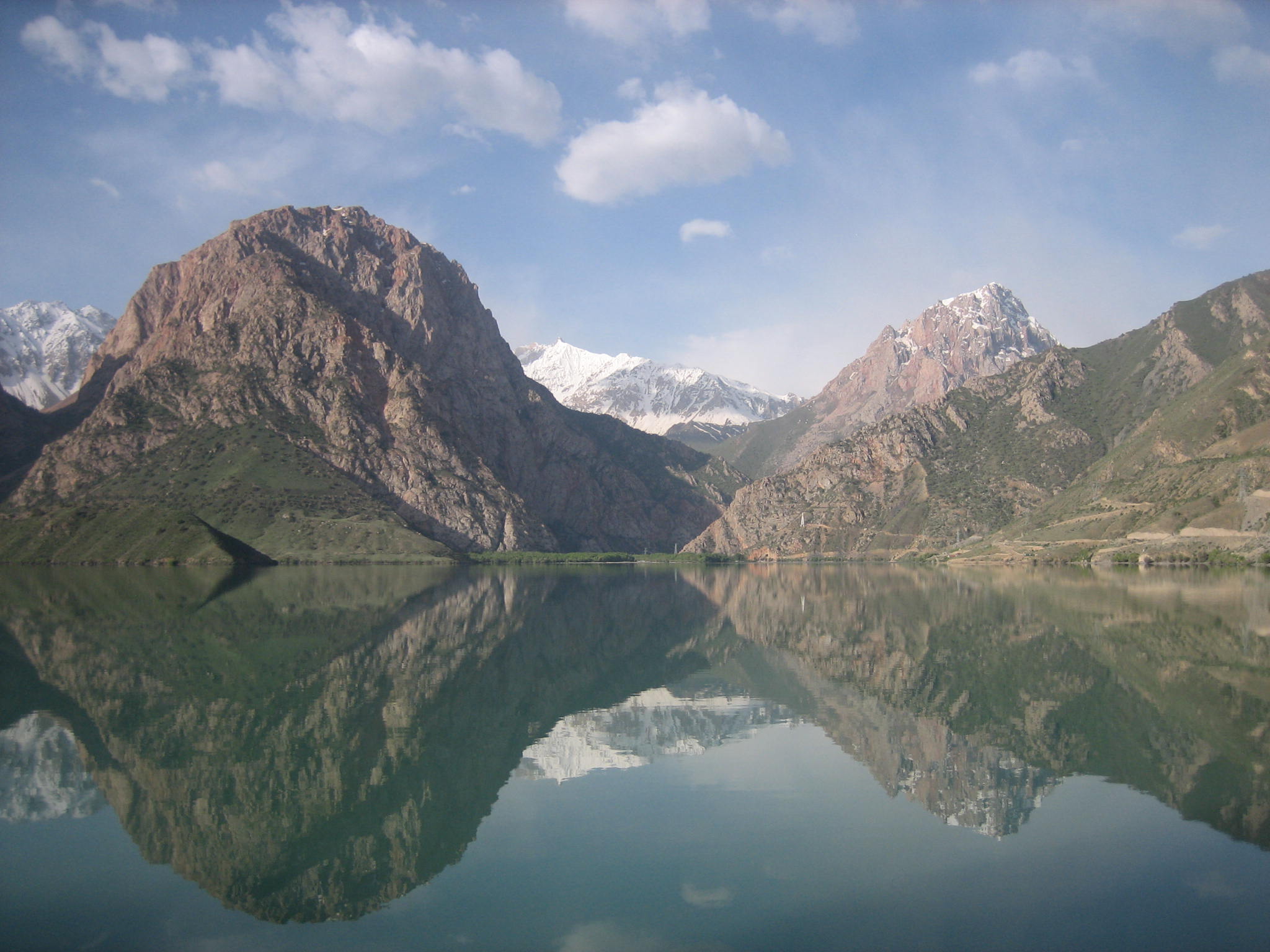
Lake Iskanderkul, in Tajikistan

Geopolitics of Central Asia – (I) The Emergence of the New States

Giorgio Malfatti di Montetretto Following the dissolution of the Soviet Union, the heart of Central Asia underwent a profound geopolitical transformation with the emergence of five new republics in 1991, while three others appeared in the neighboring Caucasus region. This process brought to an end more than two centuries of Russian and Soviet domination over the area. Although independence was proclaimed at roughly the same time, the formal declarations were issued on different dates for purely administrative reasons: Kyrgyzstan on 31 August, Uzbekistan on 1 September, Tajikistan on 9 September, Turkmenistan on 27 October, and finally Kazakhstan on 27 December. ...

June 10, 2026 · 4 min · Giorgio Malfatti