Georgia On My Mind (III): The Situation Today
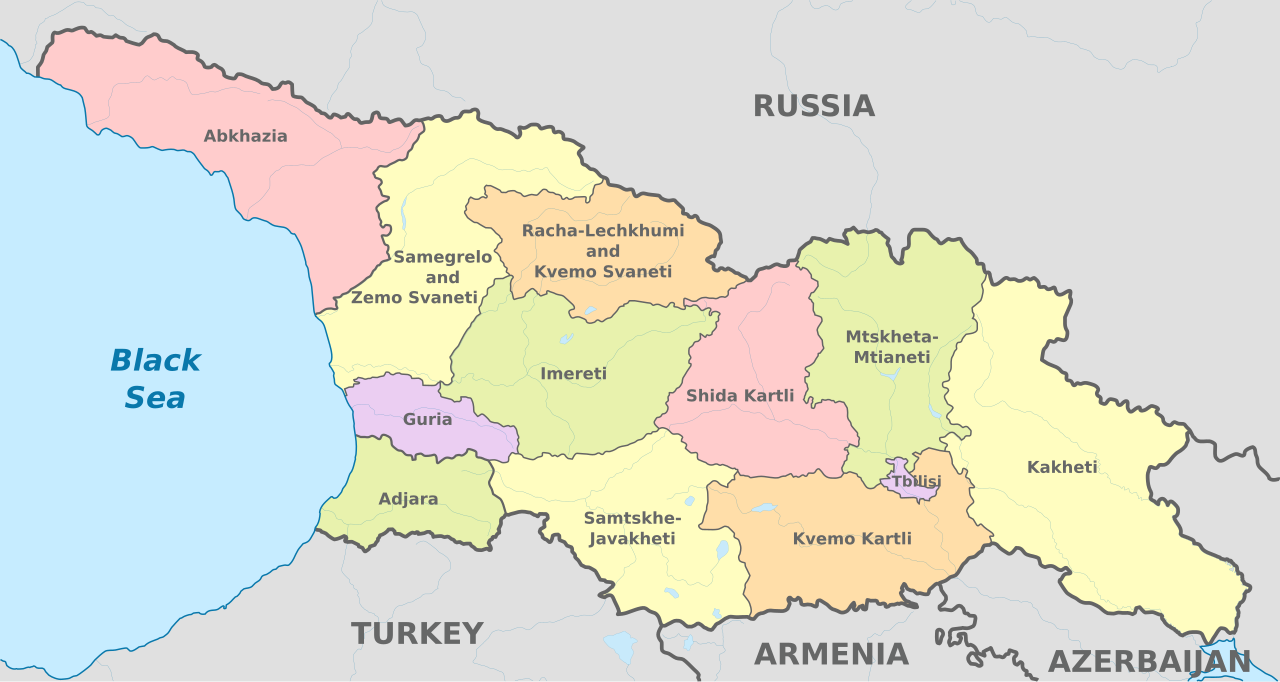
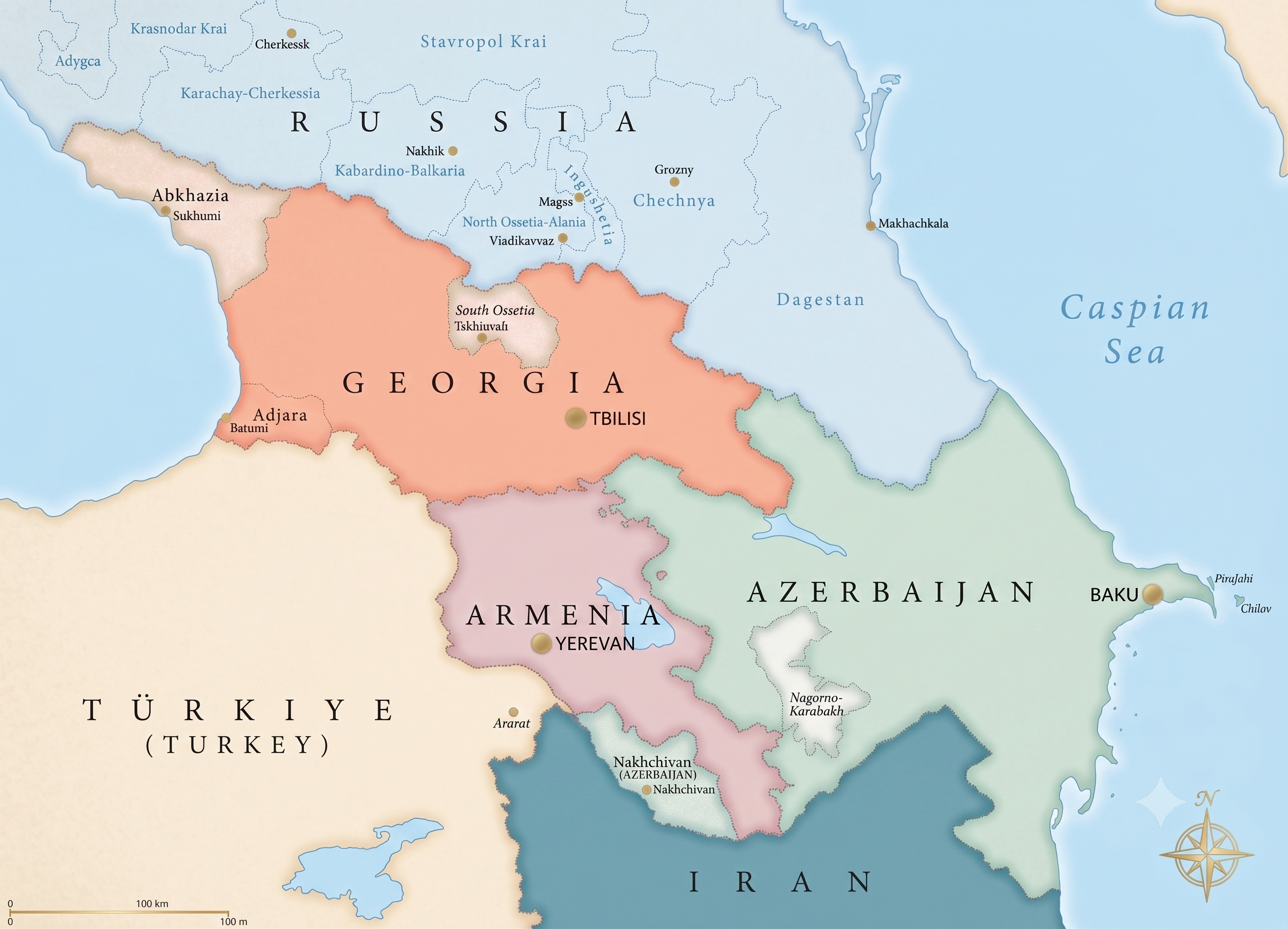
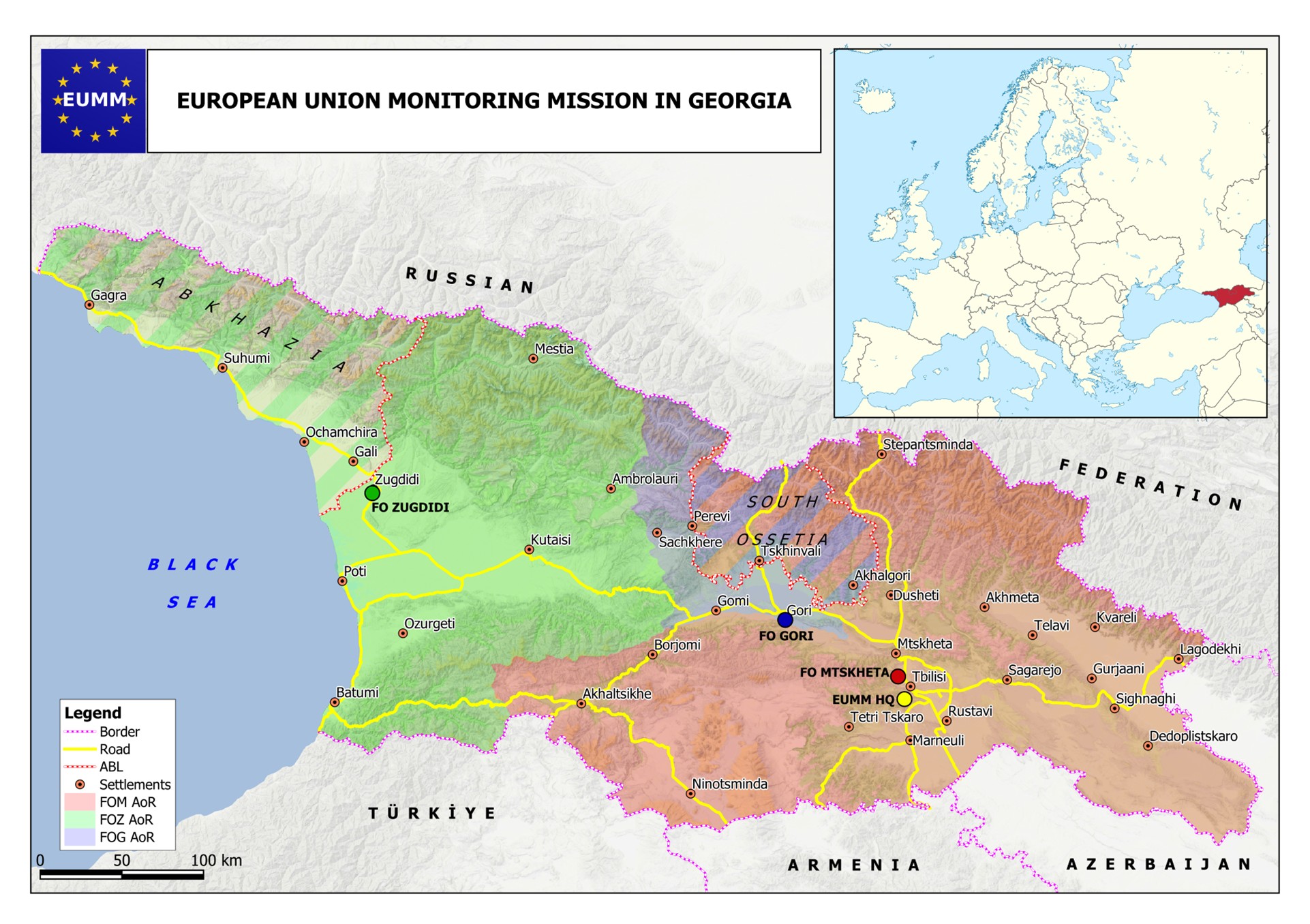
Maurizio Donini The Current Situation: Permanent Occupation, “Borderisation”, and the EUMM Presence In the wake of the ceasefire agreement negotiated on behalf of the EU by then French President Nicolas Sarkozy, Russia withdrew its invading troops from undisputed Georgian territory, but went on to unilaterally recognise the independence of Abkhazia and South Ossetia (26 August 2008). Moscow converted the former interposition forces into permanent Russian army military bases (the 4th and 7th military bases), deploying thousands of troops along with Federal Security Service (FSB) border guard units along the Administrative Boundary Lines (ABL). For this reason, Tbilisi’s legislation (the 2008 Law on Occupied Territories) and international law unambiguously classify both regions as Georgian territories under temporary occupation by the Russian Federation. ...