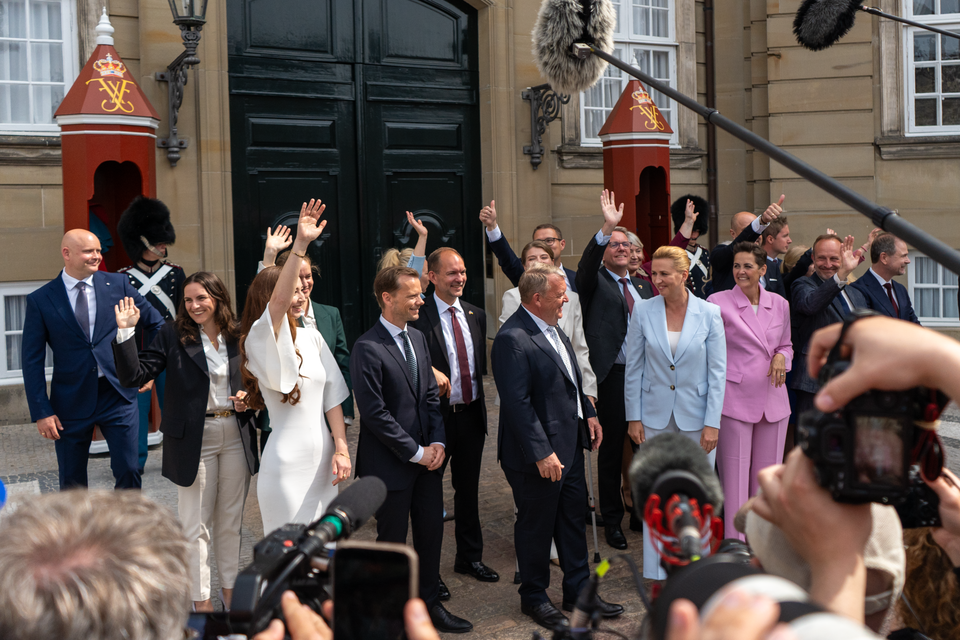
The new Danish government: a possible escape from centrism and ordoliberalism
Paolo Borioni The Danish government agreement, reached with great difficulty, includes four parties in the executive. Two are centrist, but the other two, which are larger overall, belong to the socialist tradition (the Social Democratic Party, which holds a relative majority, and the Socialist People’s Party, which emerged from the elections greatly strengthened). However, the government will also need external support from a post-communist party list (which has also grown considerably) and from the environmentalists, who have only just surpassed the 2% electoral threshold. The Social Democrats must recover from an electoral decline of around 5%, which also reflects a degree of dissent towards them, both in public opinion and, certainly, within the trade union movement. This will not be easy in the context of the growing party fragmentation that characterises Danish democracy. ...